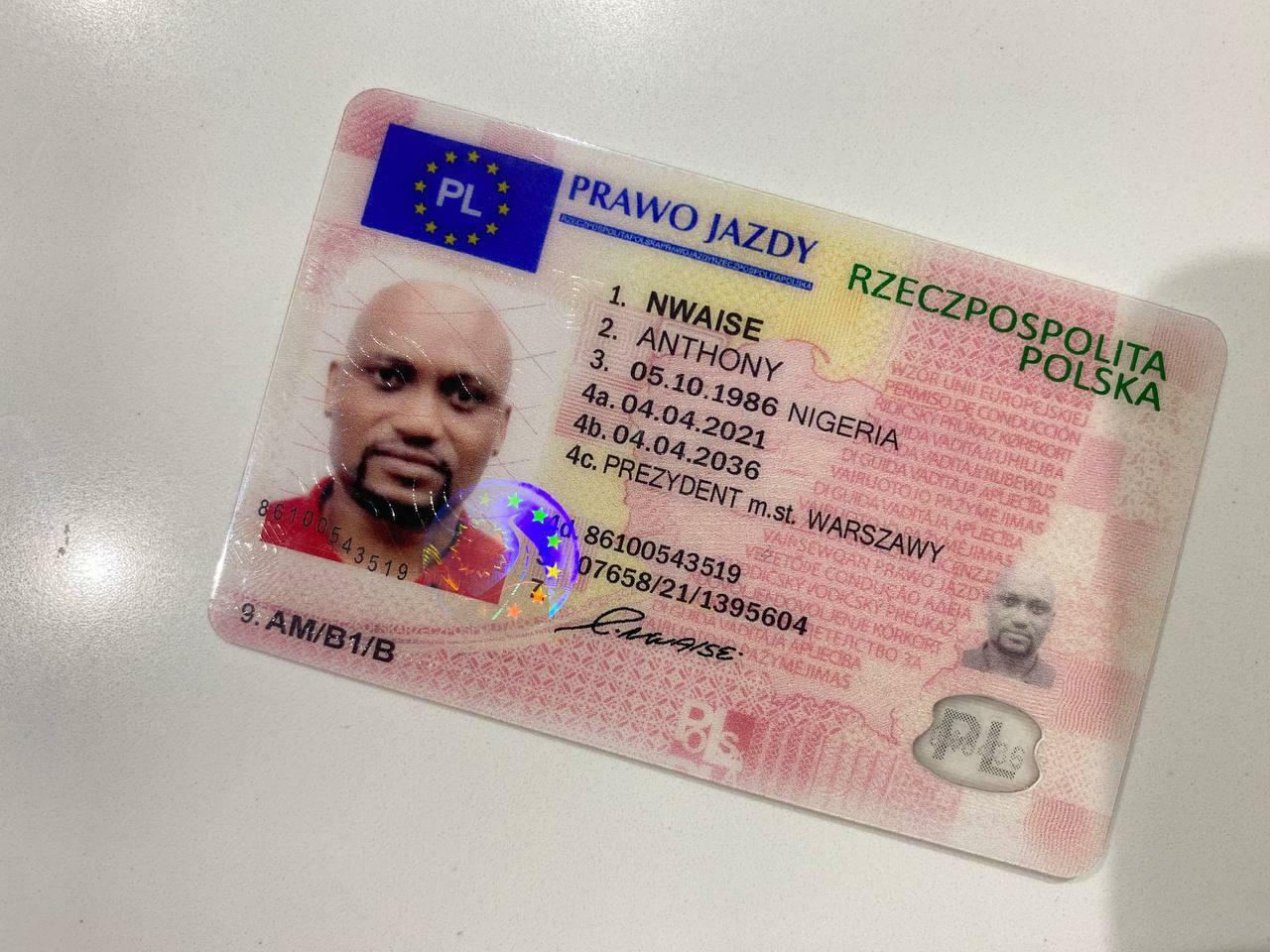
Dokumenty Do Prawa Jazdy
Add a review FollowOverview
-
Founded Date December 30, 1909
-
Sectors Dock Master
-
Posted Jobs 0
-
Viewed 3
Company Description
15 Up-And-Coming Polish Driving License Process Bloggers You Need To Follow
The Comprehensive Guide to the Polish Driving License Process
Obtaining a driving license in Poland is an important step for anyone aiming to drive legally in the nation. The process may seem overwhelming in the beginning, specifically for foreigners or those brand-new to the nation. Nevertheless, with the ideal details and assistance, navigating the Polish driving license procedure can be uncomplicated. This article describes the necessary steps, requirements, and often asked concerns concerning the process.
Summary of the Polish Driving License
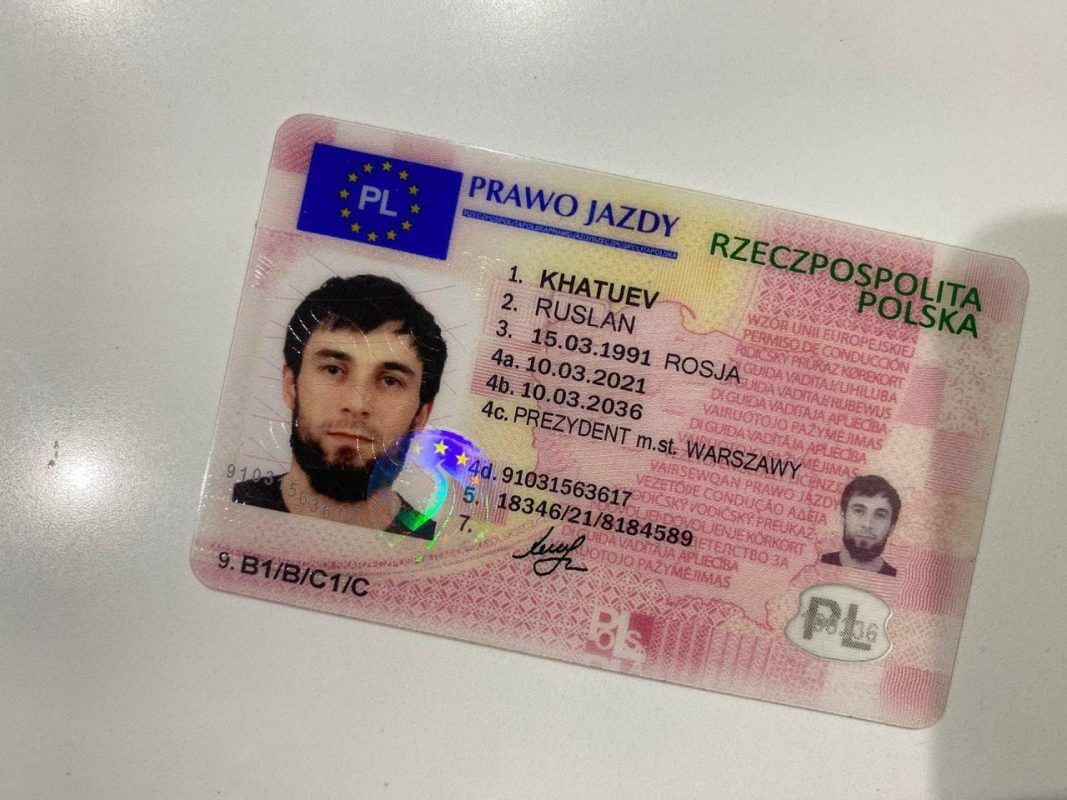
The Polish driving license (Prawo jazdy W Polsce jazdy) is a legal file that enables people to operate motor cars on Polish roads. It is classified into various categories based upon the types of lorries one is enabled to drive. Typical categories consist of:
| Category | Description |
|---|---|
| A | Motorcycles |
| B | Vehicles (up to 3.5 lots) |
| C | Trucks (over 3.5 heaps) |
| D | Buses |
| BE | Automobiles with a trailer |
| C1 | Light trucks (3.5 to 7.5 tons) |
| D1 | Mini-buses (up to 16 passengers) |
Eligibility Criteria
To obtain a Polish driving license, applicants must fulfill specific eligibility requirements:
-
Age: The minimum age differs by classification, with basic requirements being:
- 18 years for category B.
- 16 years for category A1 (small motorbikes).
- 21 years for category C and D.
-
Medical Examination: A health check is mandatory to make sure that the candidate is physically fit to drive.
-
Residency: Applicants need to be locals of Poland, either by citizenship or legal residency licenses.
Steps to Obtain a Polish Driving License
Action 1: Enroll in a Driving School
The primary step in getting a driving license is enrolling in a recognized driving school. Here are some crucial points to consider when picking a driving school:
- Accreditation: Ensure that the driving school is authorized by the regional authorities.
- Curriculum: Check if the school uses an extensive curriculum that consists of theoretical and useful lessons.
- Trainer Qualification: Verify the certifications of the driving instructors.
Step 2: Complete Theoretical Training
The theoretical part of the training covers vital topics related to road guidelines, traffic signals, and safe driving practices. This training normally consists of:
| Topics Covered | Period |
|---|---|
| Roadway Signs | 4 hours |
| Traffic Regulations | 6 hours |
| Emergency treatment | 2 hours |
| Lorry Maintenance | 2 hours |
Action 3: Pass the Theoretical Exam
After completing the theoretical training, applicants must pass a multiple-choice evaluation administered by the regional authority (WORD – Wojewódzki Ośrodek Ruchu Drogowego). The examination consists of 32 concerns, and candidates must answer a minimum of 26 correctly to pass.
Step 4: Complete Practical Training
As soon as the theoretical test is passed, prospects start their useful training. This training generally includes:
| Driving Skills | Period |
|---|---|
| Fundamental Driving Techniques | 10 hours |
| City Driving | 5 hours |
| Highway Driving | 5 hours |
| Night Driving | 2 hours |
Step 5: Pass the Practical Exam
The practical exam is performed on a designated route and examines the applicant’s ability to operate an automobile securely. Prospects must show particular maneuvers, including:
- Parallel parking
- Three-point turns
- Navigating crossways
A passing rating is needed to continue to the next step.
Action 6: Obtain a Medical Certificate
Before requesting the driving license, candidates need to obtain a medical certificate confirming their fitness to drive. This is acquired from a certified doctor and might require a charge.
Action 7: Apply for the Driving License
After passing both examinations and acquiring the medical certificate, prospects can make an application for their driving license. The needed files normally include:
- Completed application
- Theoretical and practical examination certificates
- Medical certificate
- Recognition (e.g., passport or ID card)
- Proof of residency
Step 8: Pay the Fees
The last step involves paying the associated fees for the issuance of the driving license. The costs may vary but normally include:
| Fee Type | Approximate Cost |
|---|---|
| Driving School Tuition | PLN 1,500 – 3,000 |
| Test Fees (theoretical/practical) | PLN 150 – 200 |
| License Issuance Fee | PLN 100 – 150 |
Regularly Asked Questions (FAQ)
1. The length of time does the procedure require to obtain a driving license in Poland?
The entire process can take anywhere from a few weeks to several months, depending upon the individual’s pace and the availability of examination slots.
2. Can foreigners obtain a Polish driving license?
Yes, foreigners can obtain a Polish driving license as long as they fulfill the residency and eligibility criteria.
3. What if I have a driving license from another nation?
Holders of legitimate foreign driving licenses can frequently drive in Poland for a restricted time (typically approximately 6 months). After that, they may require to exchange their license for a Polish one, which may require passing examinations.
4. What should I do if I stop working the examinations?
Prospects can retake the theoretical or useful examination after a set period. It’s vital to evaluate locations of weakness before trying again.
5. Exist any online resources available for studying?
Yes, numerous driving schools supply online resources, mock tests, and research study materials to help candidates get ready for their exams.
The procedure of acquiring a driving license in Poland is thorough yet workable for those who make the effort to understand the requirements and procedures. By following the laid out actions and preparing adequately for both theoretical and useful examinations, aiming chauffeurs can effectively navigate the journey toward becoming licensed chauffeurs in Poland.