

Table of Contents
Embarking on a career in offshore drilling is an exciting journey into a dynamic and challenging industry. The vast expanse of the ocean holds the key to unlocking valuable resources beneath the seabed, and a diverse array of specialized roles contributes to the exploration and extraction of these treasures. Understanding the various offshore drilling jobs available is the first step toward a successful career at sea.
In this comprehensive guide, we’ll explore the world of maritime careers, focusing on key positions such as Drilling Engineer, OIM (Offshore Installation Manager), and Drilling Supervisor. Let’s delve into the depths of these professions, exploring the responsibilities, qualifications, and the unique challenges each role brings to the rig floor.
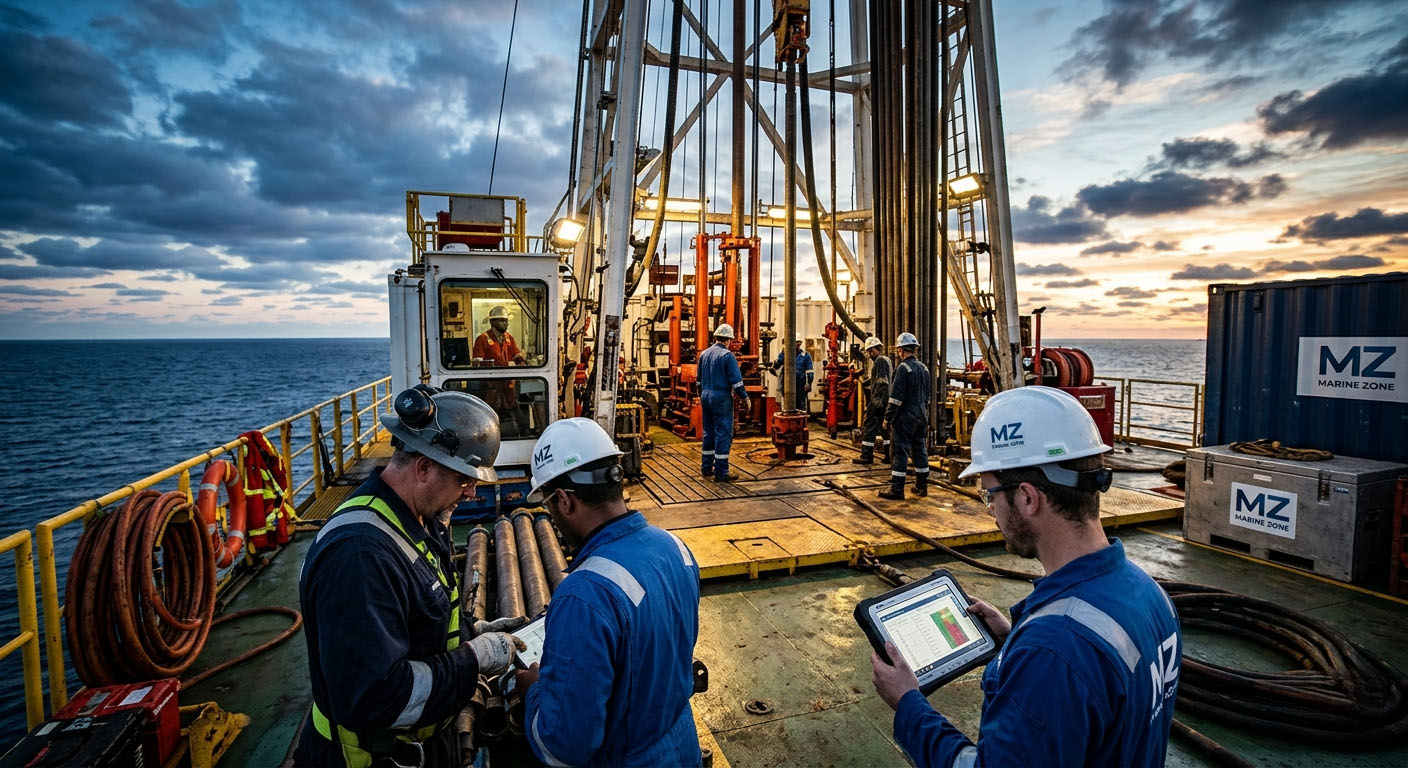
1. Offshore Drilling Jobs: Unveiling the Ocean’s Potential
The maritime energy sector is a ever-evolving industry that offers a plethora of opportunities for individuals seeking thrilling careers. From ensuring the safety of operations to optimizing extraction processes, each position plays a crucial part in harnessing resources beneath the ocean floor. Current marine vacancies show a high demand for skilled technical staff across the globe.
2. OIM (Offshore Installation Manager): Master of the Domain
At the helm of operations is the Offshore Installation Manager, often referred to as the captain of the vessel or platform. This influential role involves overseeing the entire installation, managing personnel, and ensuring strict safety compliance. Holding an OIM position requires extensive leadership skills and a deep understanding of international maritime safety standards as defined by the IMO.
3. Drilling Engineer: Designing the Blueprint for Success
These professionals are the architects of maritime energy projects. A Drilling Engineer plays a pivotal role in designing programs, optimizing processes for efficiency, and analyzing geological data. A combination of technical expertise and problem-solving skills is essential for those aspiring to excel in these offshore drilling jobs.
4. Drilling Supervisor: Guiding Operations with Expertise
The Drilling Supervisor acts as the hands-on leader overseeing activities on the rig. Their responsibilities include managing crews and ensuring compliance with environmental regulations. Their expertise is crucial for the seamless execution of projects, making this role integral to the success of any offshore endeavor.
5. Technical Leadership: Toolpusher and Rig Manager
The Toolpusher is responsible for supervising crews and equipment maintenance, ensuring precision on the rig floor. Simultaneously, Rig Managers orchestrate excellence across the entire operation, coordinating logistics and collaborating with clients to guarantee seamless performance in various offshore drilling jobs.
6. Rig Floor Roles: Driller, Assistant Driller, and Roughneck
The Driller is responsible for operating machinery with high precision, while the Assistant Driller provides vital troubleshooting support. The backbone of the rig floor, however, is the Roughneck. Roughnecks tackle the manual labor essential for functioning, requiring physical strength and a strong work ethic. For those starting their career, these roles often provide the best entry point into seafarer employment.
7. Scaling the Derrick: The Derrickhand
Derrickhands work high above the rig floor, assisting with pipe connections and vertical operations. This role requires both physical prowess and technical acumen to ensure the smooth progress of activities at height.
8. Specialized Engineering: Mud, Petroleum, and Subsea
- Mud Engineer: Masters of fluid dynamics who monitor drilling fluid properties.
- Petroleum Engineer: Strategists who optimize recovery methods and well production data.
- Subsea Engineer: Experts in underwater systems and subsea equipment maintenance.
These specialized offshore drilling jobs are critical for maintaining the technical integrity of the well and ensuring environmental safety.
9. Interpreting the Earth: Geologists and Environmental Engineers
Geologists interpret subsurface secrets to identify potential locations, while Environmental Engineers safeguard the seas by ensuring compliance with Maritime Labour Convention (MLC) standards and environmental protection measures. Balancing energy needs with ecosystem preservation is a top priority for modern offshore drilling jobs.
10. Navigating Stability: The Dynamic Positioning Operator (DPO)
DPOs operate systems to maintain vessel position against wind and waves. Their skills are crucial for navigating offshore stability and ensuring the safety of all personnel during deep-water operations.
Conclusion: Charting a Course for Success
In conclusion, the industry offers a vast array of opportunities for those seeking rewarding careers. Each role, from OIM to DPO, contributes to the global energy supply. As you navigate your path, stay updated with the latest certifications and explore current marine jobs to find your next adventure. Fair winds and prosperous seas on your offshore career!
