Table of Contents
Seafarers in 2026: 5 Vital Career Opportunities and Future Outlook
The life of seafarers has always been demanding, yet it remains one of the most essential roles in global trade. In 2026, the importance of these professionals has not diminished—in fact, it has evolved significantly. With over 80% of global trade still transported by sea, the need for skilled maritime experts continues to reach new heights.
However, the expectations placed on maritime crew today are very different from those of previous decades. Modern vessels, advanced technologies, and stricter international regulations have reshaped the profession, making it both more challenging and more rewarding for those seeking marine jobs. Understanding this landscape is crucial for anyone looking to build a long-term career on the water.
The Growing Demand for Seafarers and Marine Vacancies
Despite ongoing discussions about automation and autonomous shipping, the demand for qualified seafarers remains incredibly strong. Shipping companies and employers are actively recruiting to fill specialized roles. This is not just about replacing retiring personnel; it is about staffing a growing global fleet.
Currently, the industry is seeing a surge in recruitment for:
- Deck officers with electronic navigation expertise
- Marine engineers skilled in dual-fuel engines
- Electro-technical officers (ETOs)
- Ratings and specialized crew members
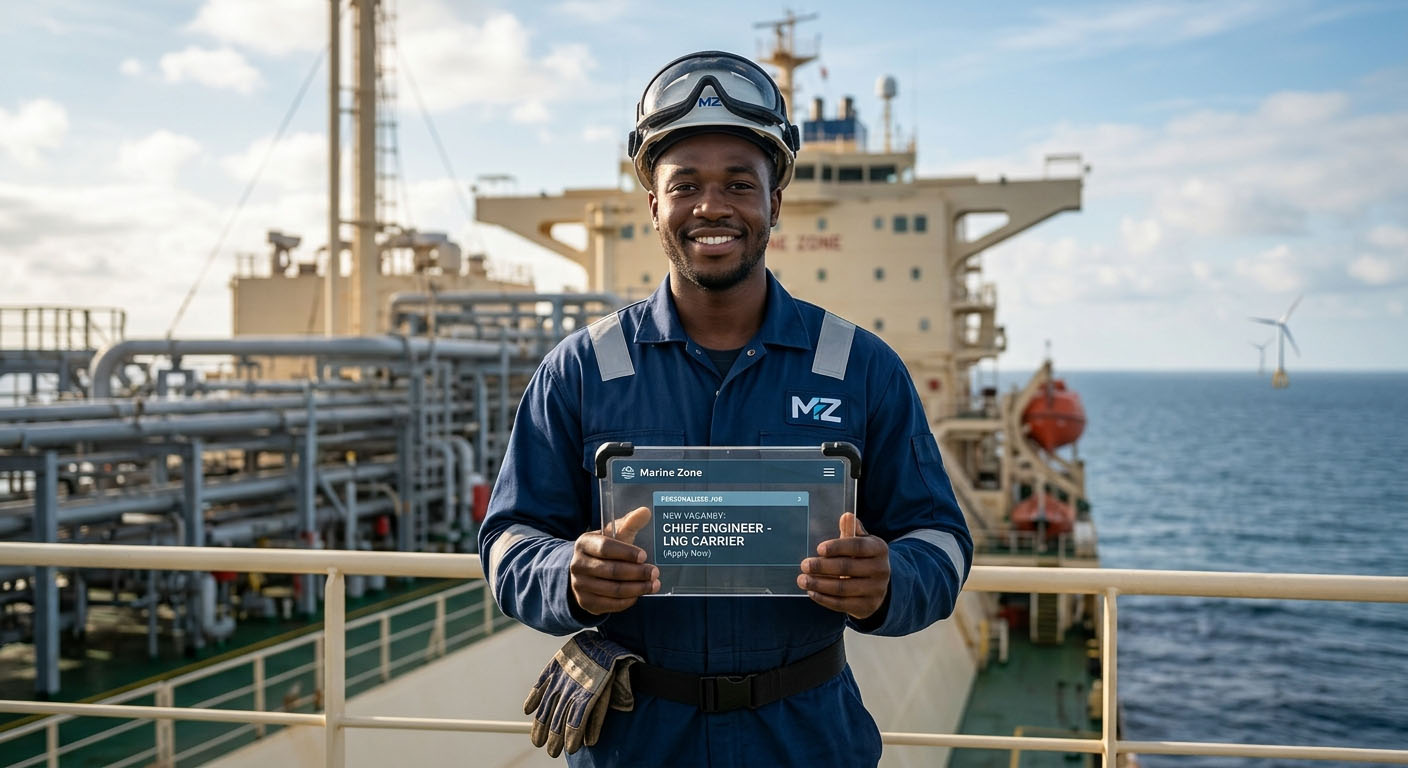
Certain vessel types are seeing particularly high marine vacancies, including LNG carriers, offshore wind support vessels, and large container ships. For professionals searching for new opportunities, this means there are real openings, but the competition for high-paying positions is increasing as the industry seeks the “best of the best.”
What Has Changed for Maritime Personnel?
The daily life of seafarers has undergone a massive digital transformation. Modern ships are now “floating data centers” equipped with advanced monitoring systems. This requires crew members to interact with complex digital interfaces regularly. Technical literacy is no longer an “extra” skill; it is a fundamental requirement for the job.
Furthermore, communication improvements have revolutionized life at sea. High-speed satellite internet access is becoming a standard benefit onboard, allowing the crew to stay connected with families through video calls and social media. While this improves mental well-being, it also means maritime staff must balance their digital lives with the high-stakes demands of bridge and engine room watchkeeping.
Salary and Benefits in 2026
Salaries in the industry vary depending on rank, vessel type, and company. While looking through candidate listings and job boards, you will see typical monthly ranges such as:
- Ratings: $1,000 – $2,500
- Officers: $3,000 – $8,000
- Senior Officers: $8,000 – $15,000+
Specialized sectors like offshore oil and gas or renewable energy often offer higher compensation. In addition to base salary, modern benefits packages often include full travel expenses, comprehensive medical insurance for the family, and more favorable rotation schedules (such as 2 months on / 2 months off) to prevent burnout.
Overcoming Challenges in the Marine Industry
While the career offers excellent financial rewards and the chance to travel the world, seafarers face unique challenges. Long periods away from home require immense mental resilience and a strong support network. Physical stress is also a factor, as maritime work is often conducted in harsh weather conditions and tight schedules.
Additionally, limited career visibility can make finding reliable marine vacancies difficult. Many qualified professionals miss out on roles simply because they are not looking in the right places. Using a centralized platform helps bridge this gap, ensuring that your skills are seen by the right marine employers.
How to Find Reliable Marine Jobs
One of the biggest issues for maritime job seekers is avoiding “ghost” listings and finding trustworthy job opportunities. To improve your chances of success, you should use specialized marine jobs platforms that verify employers. Keeping your STCW certifications updated and maintaining a professional digital profile is also essential. The industry is moving towards more transparent recruitment processes, and those who utilize the Marine Zone ecosystem will have a clear advantage.
Future Outlook: A Career of Evolution
The future for seafarers remains bright. While AI and automation will assist in navigation and engine management, human crews remain irreplaceable for complex decision-making and emergency response. The role will simply evolve from manual labor to more technical and supervisory responsibilities. Experts who commit to lifelong learning and adapt to green energy transition technologies will be the most sought-after in the marine vacancies of the future.
Final Thoughts
Working as a maritime professional in 2026 is both a challenging and a highly rewarding path. Those who invest in their technical skills and use modern platforms to find marine jobs will find long-term stability. The sea remains the lifeblood of the global economy, and the men and women who sail it are more important than ever. Start your journey by exploring the latest opportunities today.



Important Marine Engineering Jobs for...
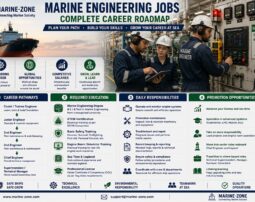
Marine Engineering Jobs: Complete Career Roadmap Marine Engineering Jobs remain one of the most important…
Continue ReadingWhich Marine Chief Engineer Leadership...
Which Marine Chief Engineer Is More Successful: A Tough Leader or a Technically Strong Leader?…
Continue Reading